Fasteners2 min read
Stainless Steel Thread Galling: Why Bolts Seize and How to Prevent It
A stainless nut that locks solid halfway down the bolt is usually galling. Understanding why it happens makes it straightforward to prevent.

At a glance
4 key points- 01
Galling is cold welding of thread surfaces under friction and pressure.
- 02
Stainless-on-stainless joints are especially prone to it.
- 03
Lubrication, slower tightening and clean threads reduce the risk.
- 04
A galled fastener should be replaced, not forced.
01What is thread galling?
Galling is a form of adhesive wear. As a nut is tightened, high contact pressure and friction break down the thin protective oxide layer on stainless steel. The exposed metal surfaces can then bond together — effectively cold welding the threads.
The result is a nut that suddenly locks partway down the bolt. Forcing it further usually tears the threads or snaps the bolt.
02Why stainless steel is prone to galling
- The protective oxide film that gives stainless its corrosion resistance is thin and can be wiped away under pressure.
- Stainless steels tend to work-harden and adhere under friction.
- Matching materials on nut and bolt increase the tendency to bond.
- Damaged, dirty or rough threads concentrate pressure and friction.
03Practical ways to prevent galling
- Use a suitable anti-seize or thread lubricant compatible with the application.
- Tighten slowly and steadily — high-speed power tools generate heat that promotes galling.
- Keep threads clean and undamaged; reject fasteners with burrs or debris.
- Avoid over-tightening; follow a controlled torque where specified.
- Consider different stainless grades or a coated nut for joints that are tightened often.
04What to do if a fastener galls
Stop tightening. Trying to force a galled nut usually makes the damage worse. Back it off gently if possible, then discard both the nut and bolt — galled threads are permanently damaged and should not be reused.
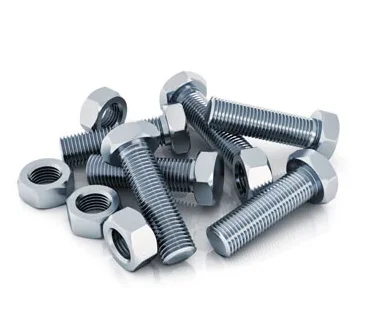
For replacement SS nut bolt sets or studs, share the size schedule and the environment so the right material and assembly approach can be reviewed.
Questions & answers
Frequently Asked Questions
Why does my stainless steel nut get stuck halfway?
This is usually galling: friction and pressure break down the oxide layer and the thread surfaces bond together. Lubrication and slower tightening help prevent it.
Does anti-seize prevent galling?
A suitable anti-seize or thread lubricant significantly reduces the risk of galling by lowering friction between the thread surfaces.
Can galled bolts be reused?
No. Galled threads are damaged and should be discarded along with the mating nut.
Is galling only a problem with stainless steel?
It is most common with stainless steel, aluminium and titanium, but any metal can gall under high enough pressure and friction.