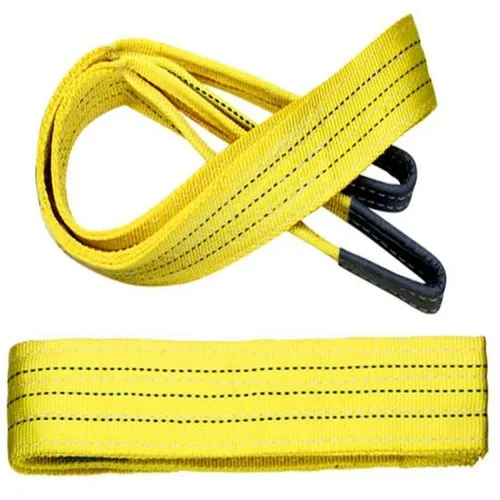
Eye-eye (flat eye) sling
Reinforced eyes at both ends for vertical, choke or basket hitches.

 LF — 15
Flexible textile slings for handling applications where load contact and protection must be considered.
Key attributes
Quick answer
A webbing sling is a flat lifting sling made from woven synthetic webbing, usually polyester, with reinforced eyes or an endless loop. It is lightweight and soft, spreading load over a wide contact area, so it protects finished, painted or delicate surfaces during lifting.
Also known asFlat webbing sling · Polyester lifting sling · Belt sling · Duplex sling
Webbing slings are preferred where chain or wire rope could mark or damage the load — machined parts, painted fabrications, pipes, glass and finished equipment. They are light to handle, flexible and quick to rig.
Each sling must carry a label stating its rated capacity and material. Selection depends on the working load limit, effective length, width, number of plies, eye type and the hitch in which it will be used, along with edge protection and the chemical and temperature environment.
Reinforced eyes at both ends for vertical, choke or basket hitches.
Continuous loop that can shift wear points between lifts.
Ply count and width are set by the required capacity.
Wear sleeves or edge guards for abrasive or sharp-edged loads.
Vertical, choke and basket hitches carry different loads; specify the hitch you will use.
Sharp edges can cut webbing under load; use sleeves, pads or corner protectors.
Synthetic fibres are affected by heat and certain chemicals; describe the environment.
Wider slings spread pressure and reduce marking on delicate surfaces.
Webbing slings must be used within the capacity stated on their label for the hitch used, protected from sharp edges and heat, and withdrawn if the label is missing or the webbing shows cuts, abrasion, burns, chemical damage or broken stitching.
Related products

Lifting & Material Handling
Sheave and pulley formats for guiding wire rope through lifting and movement systems.
Lifting & Material Handling
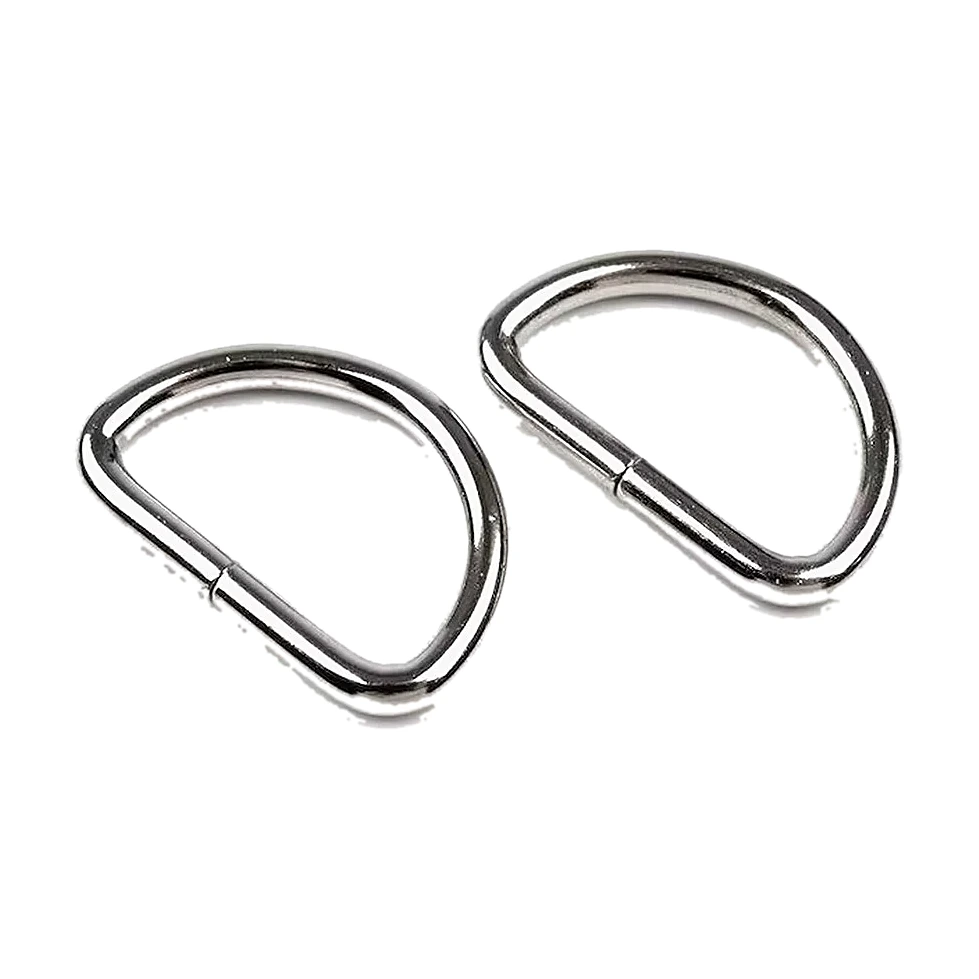
D-shaped connection ring for attachment, lashing and fabricated assembly enquiries.
Lifting & Material Handling
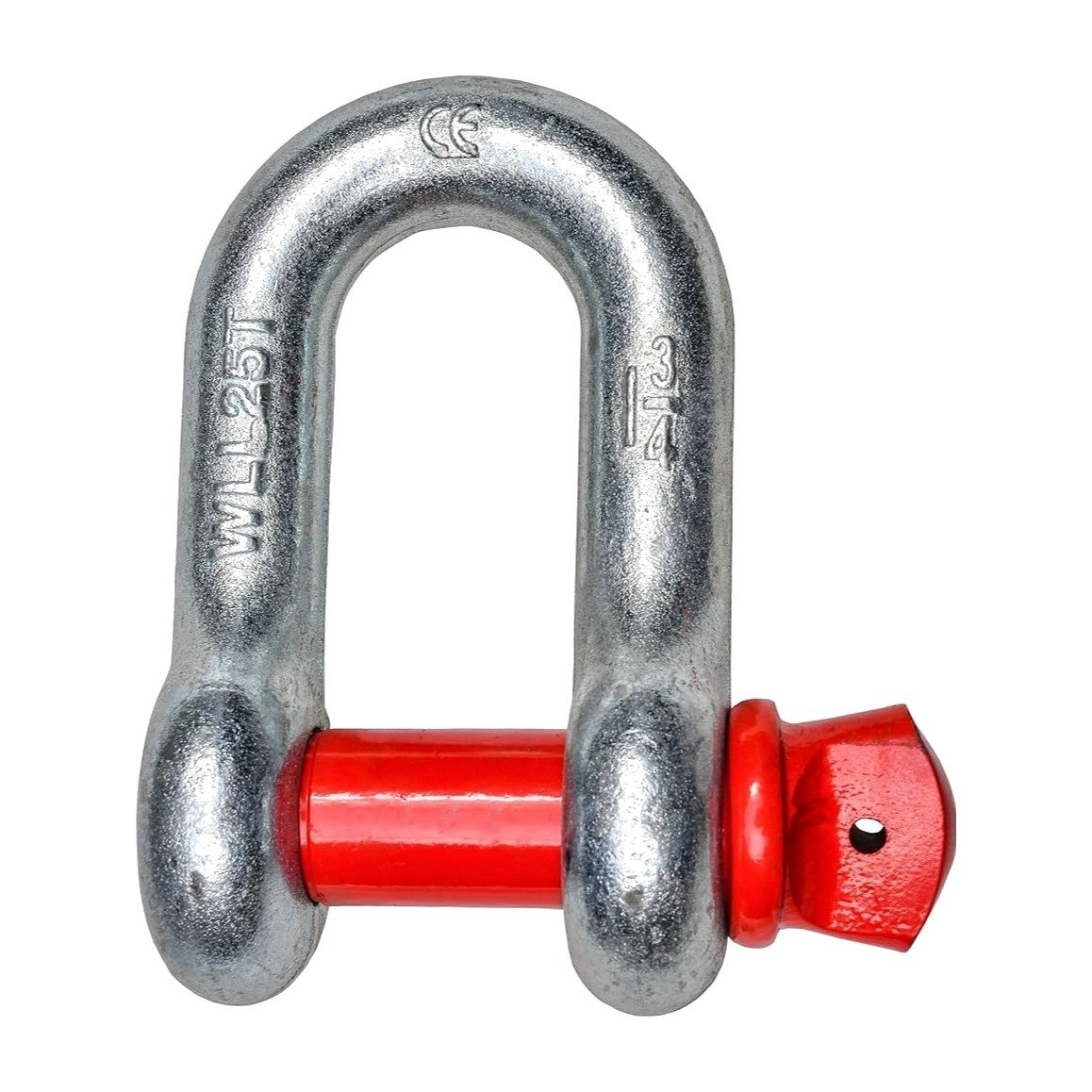
Pin-connected shackle for removable links within lifting and material-handling assemblies.
Request a quote
Share your application and technical details. Your enquiry will be emailed to our team for review.