Lifting & Rigging3 min read
How to Choose the Right Shackle: D vs Bow, Pin Types and Working Load Limit
Body shape, pin type and rated capacity decide whether a shackle is right for a lift. Here is how to read each one before you specify.

At a glance
4 key points- 01
Choose a D shackle for single in-line loads and a bow shackle for multi-leg or angled loads.
- 02
Bolt-type pins suit long-term or rotating-load rigging; screw pins suit temporary lifts.
- 03
Always select by the marked working load limit, never by physical size.
- 04
Side loading and wide sling angles reduce the usable capacity.
01What does a shackle actually do?
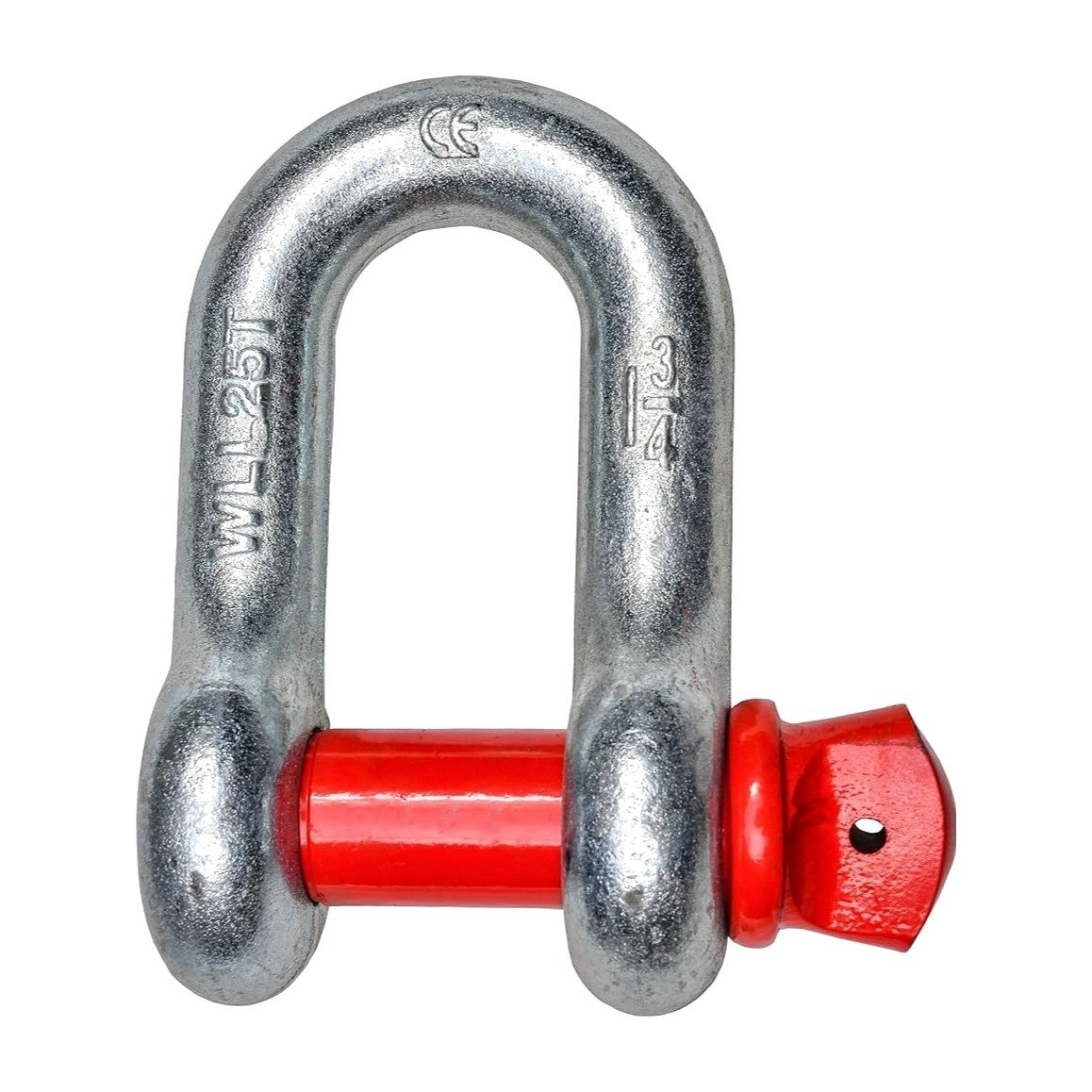
A shackle is the removable link of a rigging system. Its U-shaped body is closed by a pin, so it can join a sling to a lifting lug, a hook to a chain, or several sling legs to a single point — and be taken apart again afterwards.
Because the shackle sits directly in the load path, choosing the wrong one is not a minor detail. The three decisions that matter are the body form, the pin type and the rated capacity. See our shackle product page for the specification inputs we review.
02D shackle vs bow shackle
The body shape tells you how the shackle is meant to be loaded.
| Criteria | D (chain) shackle | Bow (anchor) shackle |
|---|---|---|
| Body shape | Narrow D profile | Larger, rounded bow |
| Best for | Single, in-line loads | Multiple slings or angled loads |
| Side loading | Not intended for side loads | Better tolerance within rated limits |
| Typical use | Chain and single-sling connections | Multi-leg slings and wide webbing |
If two or more sling legs will sit in the shackle, or the load could pull at an angle to the shackle plane, a bow shackle is usually the safer starting point.
03Screw pin, bolt type or round pin?
- Screw pin — threaded pin, quick to fit. Suits temporary rigging that is installed and removed often.
- Bolt type (nut and cotter pin) — the pin cannot unscrew. Preferred for long-term installations or where the load or rope can rotate the pin.
- Round pin — retained by a cotter; used for specific tie-down and towing arrangements, not for loads that can shift along the pin.
04Working load limit and loading geometry
Every lifting shackle should carry a marked working load limit (WLL) and identification that traces back to its documentation. Select by that rating and the governing standard — two shackles of similar size can have very different ratings.
The rating applies to in-line loading. Side loading, multi-leg angles and loading the pin at a point instead of the centre all reduce what the shackle can safely carry. When several legs meet in one shackle, their combined angle should be considered when the WLL is chosen. The oblong master link is often a better collection point for multi-leg assemblies.
05Pre-use inspection checklist
- Markings: WLL and identification are present and legible.
- Body: no cracks, nicks, deformation or opening of the jaw.
- Pin: straight, correct type for the shackle, threads undamaged.
- Fit: pin fully seated, nut and cotter fitted on bolt-type shackles.
- Wear: no excessive wear at the crown or pin bearing points.
Remove any shackle from service if it fails a check, and never substitute a bolt from stock for the original pin.
Questions & answers
Frequently Asked Questions
Which is stronger, a D shackle or a bow shackle?
Neither form is automatically stronger. Capacity depends on the rated working load limit marked on the specific shackle. The difference is in how they can be loaded: D shackles for in-line loads, bow shackles for multiple slings or angled loads within their rating.
Can I replace a lost shackle pin with a standard bolt?
No. Shackle pins are designed and rated as part of the shackle. A substitute bolt may not have the required strength or fit, so the shackle should be replaced or fitted with the correct pin from its supplier.
When should a screw pin shackle not be used?
Avoid screw pins where the load or rope can rotate the pin during use, or for long-term installations. A bolt-type shackle with nut and cotter pin is the safer choice in these cases.
What details should I send to get a shackle quotation?
State the shackle type, pin type, required working load limit, inside width and length needed for your connection, finish, marking and certificate needs, and quantity.