Single-sheave pulley block
One sheave for guiding or redirecting rope.

 LF — 16
Sheave and pulley formats for guiding and redirecting wire rope through lifting and movement systems.
Key attributes
Quick answer
A wire rope pulley is a grooved wheel, or sheave, mounted in a frame so that wire rope can run over it. It guides or changes the direction of the rope and, in multi-sheave arrangements, increases mechanical advantage for lifting and pulling.
Also known asSheave block · Snatch block · Pulley block · Rope sheave
Pulleys and sheave blocks are used on winches, hoists, rigging systems and material-movement lines. A snatch block, with a side plate that opens, lets a rope be placed over the sheave mid-length — useful for redirecting a winch line.
Selection starts with rope diameter, because the sheave groove and diameter must suit the rope to avoid premature wear. Then confirm the number of sheaves, bearing or bush type, attachment (hook, eye, shackle or swivel) and the rated capacity, including the effect of the rope angle on the block load.
One sheave for guiding or redirecting rope.
Opening side plate to load rope without threading the end.
Two or more sheaves for reeving and mechanical advantage.
Sheave alone for fitting into equipment or frames.
Groove profile and sheave diameter must match the rope to limit bending fatigue and wear.
The angle between rope lines changes the load on the block — it can approach double the line pull.
Roller bearings reduce friction for frequent or continuous running; bushes suit lighter duty.
Choose hook, eye, shackle or swivel to suit the anchor point and rigging.
Lifting and load-bearing products must be selected against a confirmed working load limit, the applicable standard and the actual rigging arrangement. Never use a part beyond its marked or documented rating, and inspect before every use.
Related products
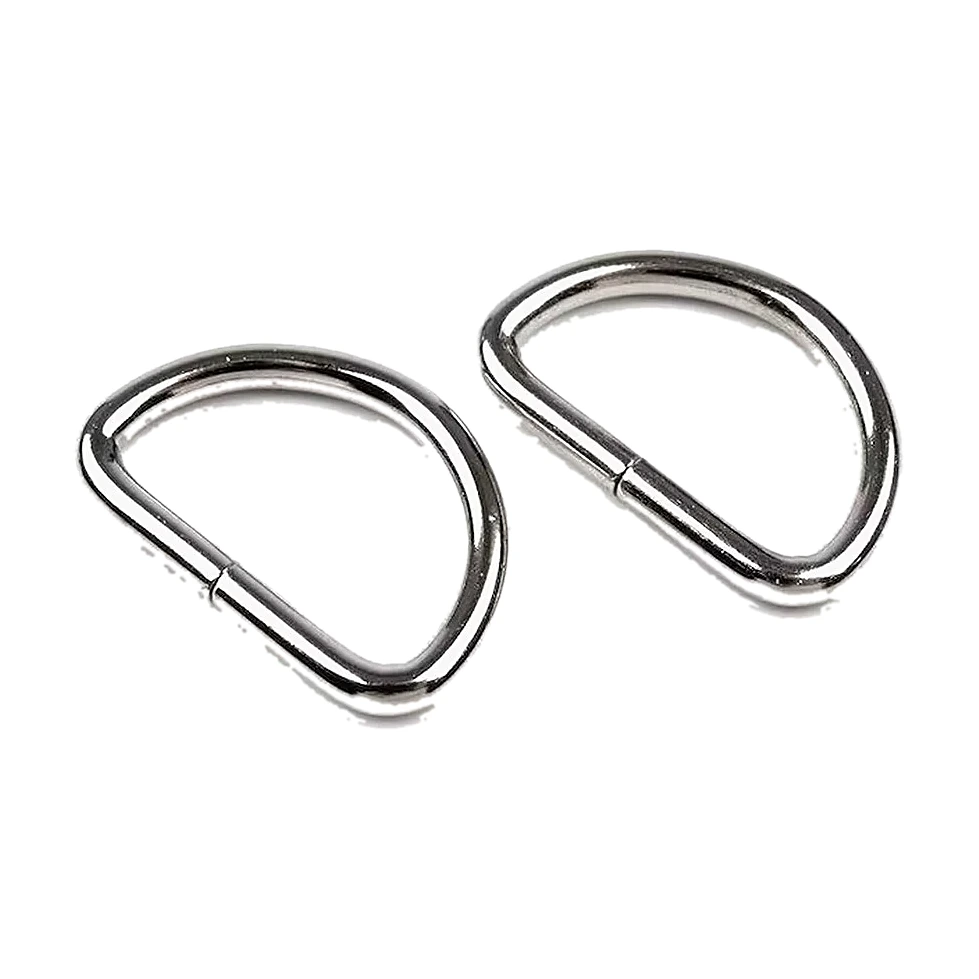
Lifting & Material Handling
D-shaped connection ring for attachment, lashing and fabricated assembly enquiries.
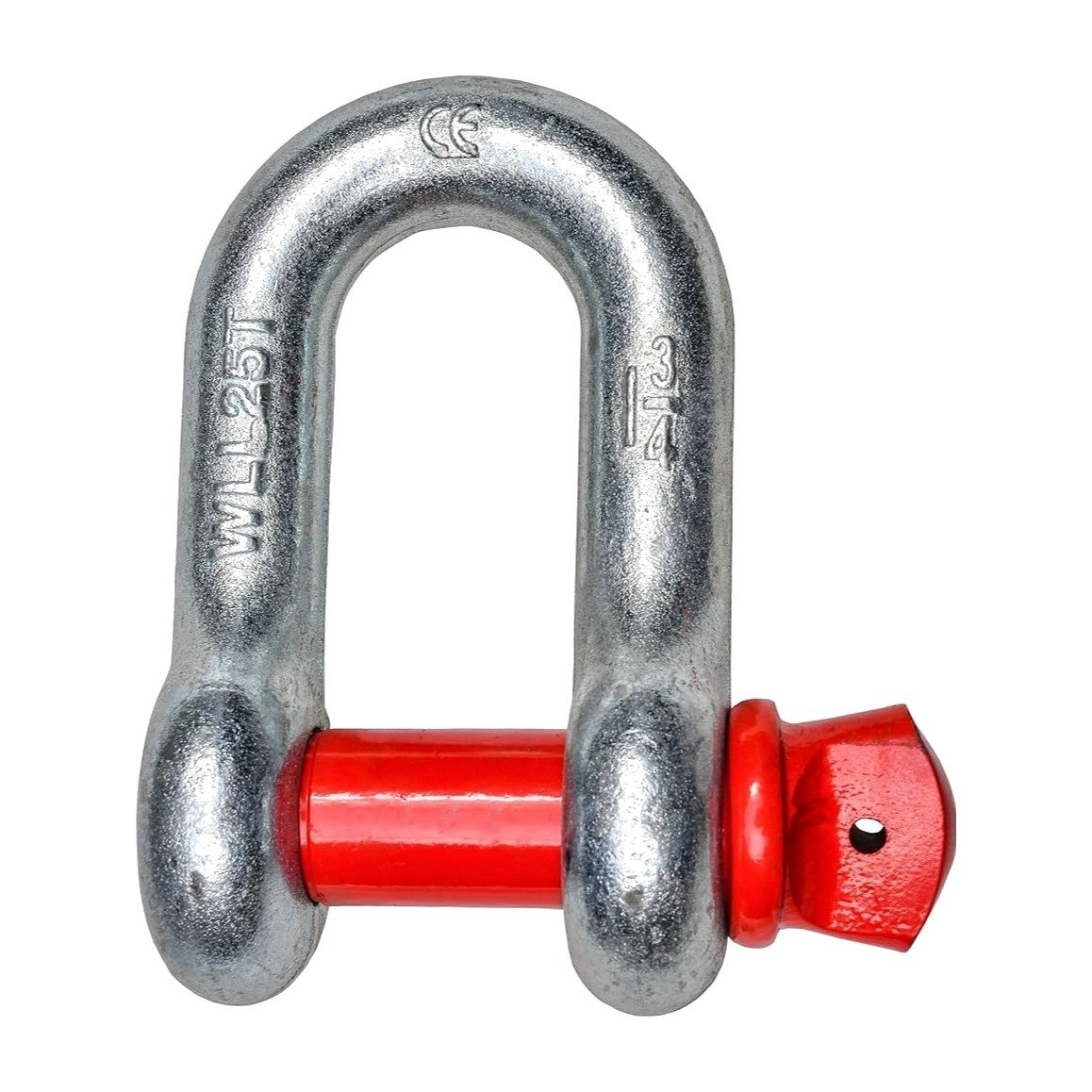
Lifting & Material Handling
Pin-connected shackle for removable links within lifting and material-handling assemblies.

Lifting & Material Handling
Oblong master-link style ring for multi-leg sling and connection arrangements.
Request a quote
Share your application and technical details. Your enquiry will be emailed to our team for review.