Single shank hook
One throat; the most common crane and hoist hook.

 LF — 12
Heavy-duty hook formats that act as the load connection within crane and block arrangements.
Key attributes
Quick answer
A crane hook is the load-bearing hook at the end of a crane or hoist, usually mounted in a bottom block. Single hooks have one throat and suit most general lifting; double (ramshorn) hooks have two opposing throats that share the load on high-capacity cranes.
Also known asCrane load hook · Shank hook · Ramshorn hook · Lifting hook
The crane hook is the final link between the crane and the load. Most are shank hooks: the shank passes through a crosshead in the bottom block and is retained by a nut, letting the hook rotate on a thrust bearing.
Because a crane hook carries the full lifted load, it must match the crane capacity, the bottom block dimensions and the applicable standard. A crane model, block drawing or the existing hook dimensions are the best starting point for a replacement.
One throat; the most common crane and hoist hook.
Two throats for balanced loading on high-capacity cranes.
Eye attachment instead of shank, for chain or rigging connection.
Safety latch fitted to retain slings in the throat.
The hook must match the crane rating and the applicable standard for its class of service.
Shank diameter, thread and length must match the bottom-block crosshead and retaining nut.
Throat opening must accept the slings or rigging used, with the latch able to close.
Hooks are inspected for throat opening, wear, cracks and deformation per the applicable standard.
Lifting and load-bearing products must be selected against a confirmed working load limit, the applicable standard and the actual rigging arrangement. Never use a part beyond its marked or documented rating, and inspect before every use.
The form depends on capacity and how the load is rigged.
| Criteria | Single hook | Double hook |
|---|---|---|
| Throats | One | Two, opposing |
| Typical capacity | General to medium-capacity cranes | High-capacity cranes |
| Load distribution | Load in one throat | Load shared between both throats |
| Rigging | Simple sling attachment | Balanced multi-sling rigging |
Related products

Lifting & Material Handling
Hook-and-sheave bottom block assembly for guided industrial lifting arrangements.

Lifting & Material Handling
Plate clamp format for vertical or horizontal handling enquiries involving steel plates.
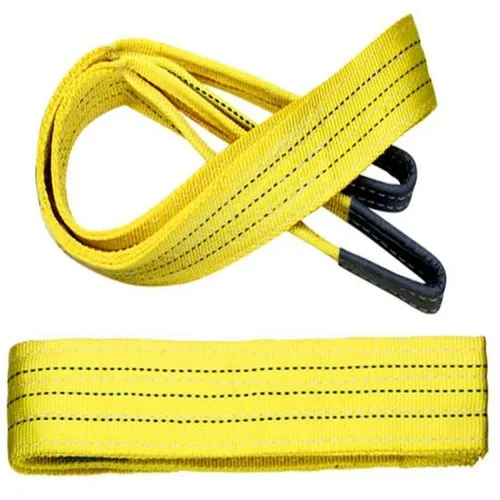
Lifting & Material Handling
Flexible textile sling for handling applications where contact and load arrangement must be considered.
Request a quote
Share your application and technical details. Your enquiry will be emailed to our team for review.