Raised face (RF)
A raised gasket surface concentrates bolt load on the gasket.

 LF — 06
A threaded-bore flange for weld-free pipe connections and removable joint arrangements.
Key attributes
Quick answer
A threaded flange, also called a screwed flange, has an internally threaded bore that screws onto a threaded pipe end. It creates a bolted, removable flange joint without welding, which is useful where welding is impractical, restricted or hazardous.
Also known asScrewed flange · Threaded pipe flange · NPT / BSP flange
Threaded flanges allow a pipe to be connected to valves, equipment or another flanged line without hot work. They are commonly used on utility, water, air and similar services, and in areas where welding permits are difficult to obtain.
The flange dimensions, drilling and pressure class should follow the piping standard used on your project, while the bore thread must match the pipe thread exactly. Share the standard, size, class, facing, thread form and material together for an accurate review.
A raised gasket surface concentrates bolt load on the gasket.
Full flat face, often used when mating with flat-faced equipment flanges.
Bore thread form is chosen to match the pipe thread (for example NPT or BSP).
Bolt-circle and hole pattern follow the referenced flange standard.
The bore thread must match the pipe thread form and size; mixing taper and parallel threads causes leaks.
Threaded joints suit moderate conditions; state the design pressure and temperature for review.
Flange material should match the pipe and process fluid to avoid corrosion at the joint.
Drilling and facing must match the mating flange — reference the standard on your drawing.
Both create a bolted flange joint; the method of attaching the flange to the pipe differs.
| Criteria | Threaded flange | Weld-neck flange |
|---|---|---|
| Pipe attachment | Screwed onto threaded pipe | Butt-welded to the pipe |
| Welding required | No | Yes |
| Typical service | Moderate pressure, smaller bores | Higher pressure, temperature or cyclic service |
| Installation | Fast, no hot work | Requires qualified welding and inspection |
| Leak path | Thread must be sealed | Welded joint, no thread |
Related products

Fasteners & Fittings
Industrial fitting formats for joining, directing and adapting pipework requirements.
Fasteners & Fittings
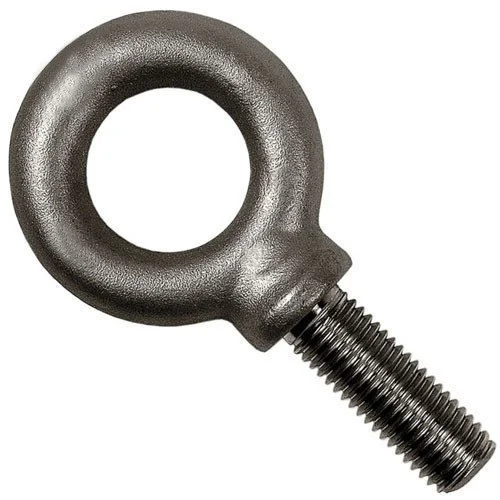
Mild-steel threaded eye connection for industrial anchoring, suspension and handling enquiries.
Fasteners & Fittings
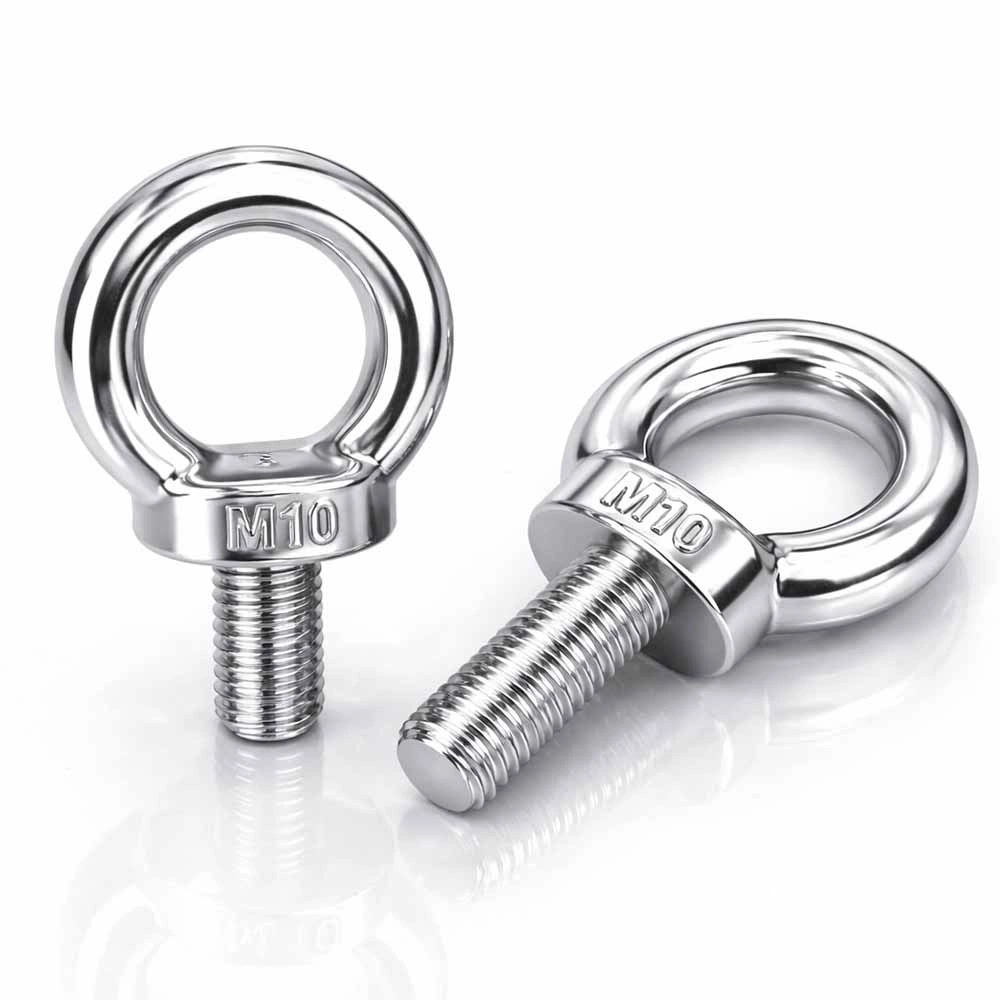
Stainless-steel eye connection for applications where finish and service environment matter.
Request a quote
Share your application and technical details. Your enquiry will be emailed to our team for review.