Fasteners3 min read
MS vs SS Eye Bolts: How to Choose the Right Material for Your Application
Mild steel and stainless steel eye bolts look alike, but the material decides where they last. A clear comparison to help you specify.

At a glance
4 key points- 01
Choose by service environment first: dry and protected suits MS; wet, outdoor or hygienic suits SS.
- 02
Stainless is selected for corrosion resistance, not automatically for higher strength.
- 03
Collared eye bolts handle angular loads better than plain patterns.
- 04
Stainless threads can gall, so assembly practice matters.
01Same form, different material
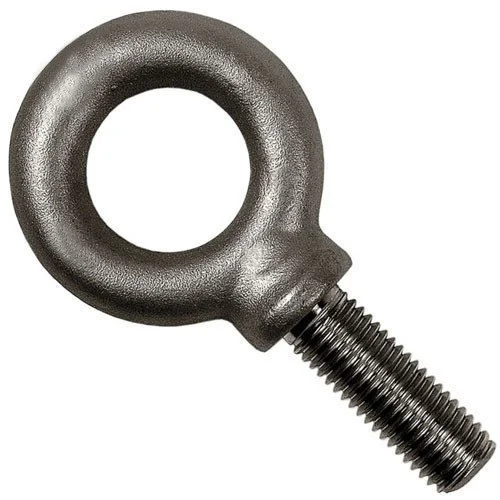
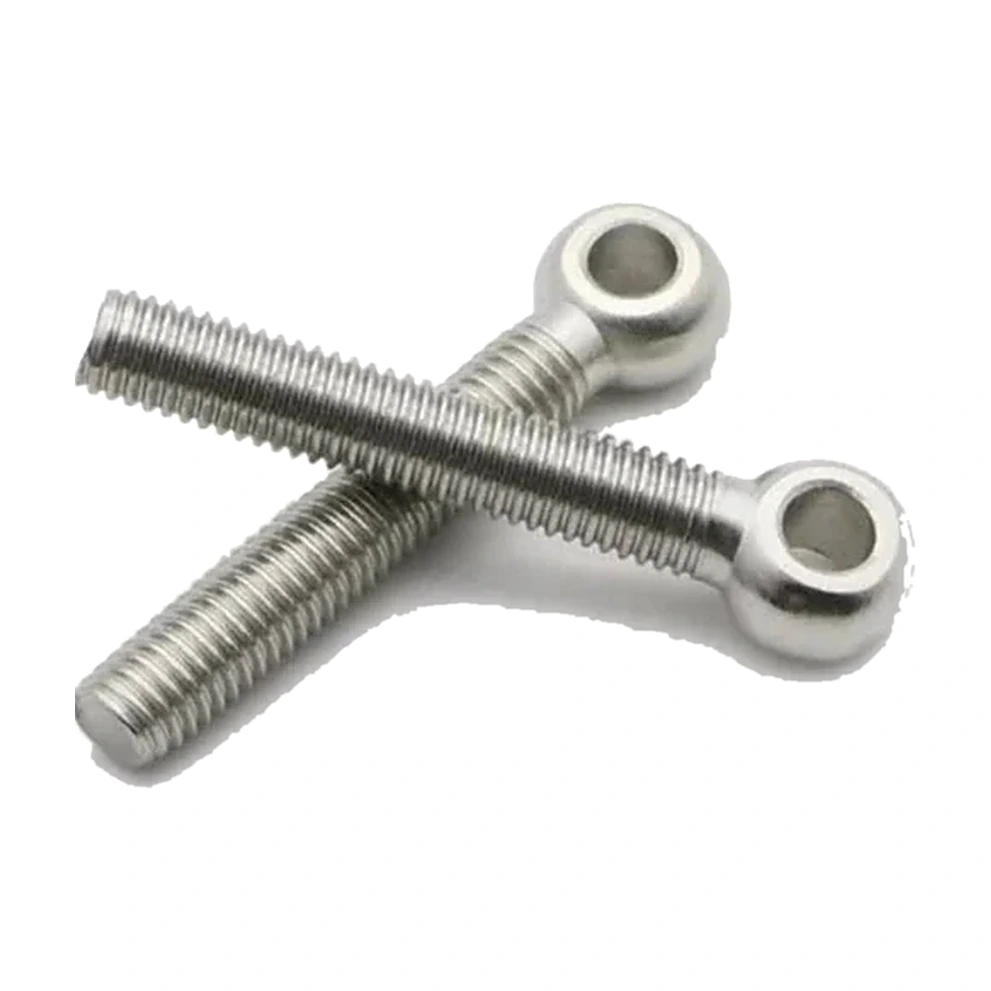
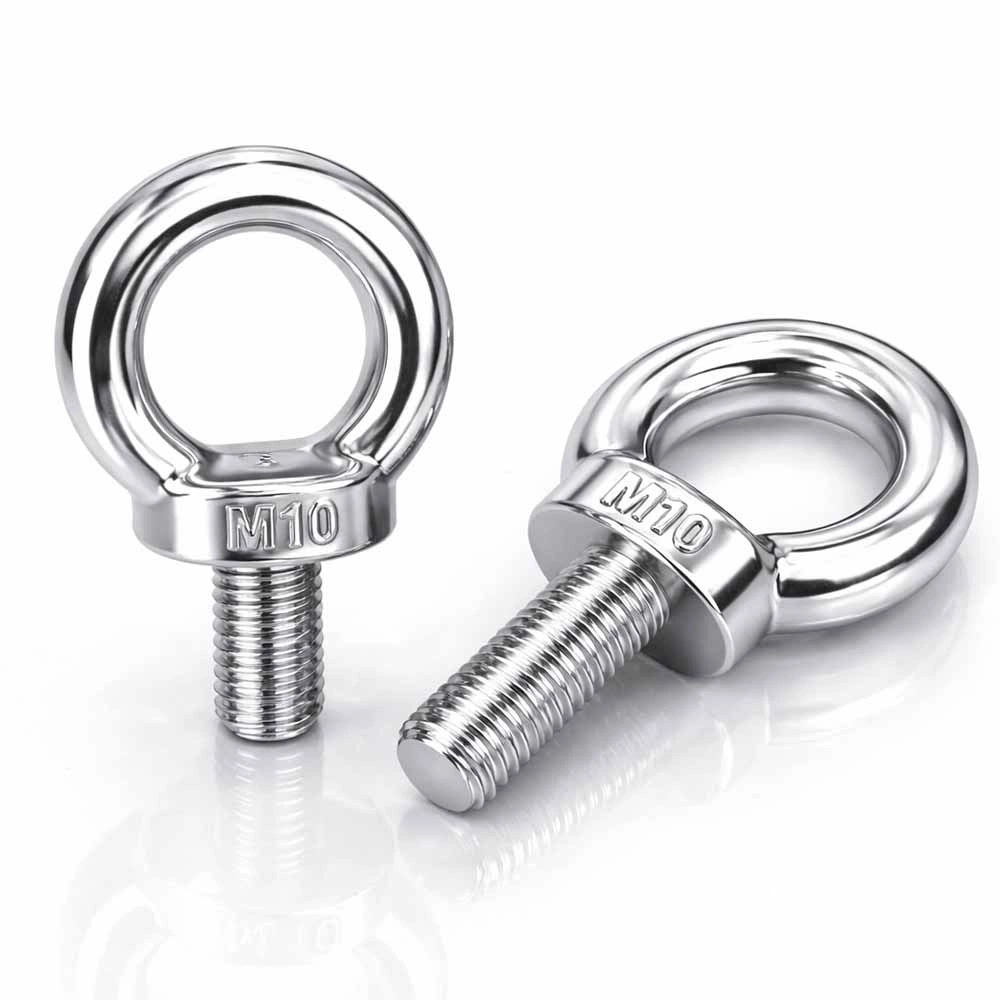
An eye bolt is a threaded shank with a circular eye. Whether it is made from mild steel (MS) or stainless steel (SS), the form and the way it is installed are the same. What changes is how it behaves in its environment over time.
That makes the service environment the first question to answer — before size, thread or finish.
02Side-by-side comparison
| Criteria | MS eye bolt | SS eye bolt |
|---|---|---|
| Base material | Mild steel | Stainless steel |
| Corrosion behaviour | Needs a protective finish outdoors | Inherently corrosion resistant |
| Typical environment | Indoor, dry or protected service | Outdoor, wet, marine or hygienic areas |
| Relative cost | Generally more economical | Higher material cost |
| Assembly note | Standard practice | Consider anti-galling practice |
Explore both options: MS eye bolt and SS eye bolt.
03When mild steel is the right choice
- Indoor machinery, gearboxes and equipment housings.
- Fabricated assemblies that will be painted or coated as a whole.
- Protected areas where moisture and chemicals are not present.
- Projects where cost matters and the environment does not demand stainless.
A plated or painted finish extends service life, but once the coating is damaged the base steel can rust. Describe the environment so the finish can be reviewed with the part.
04When stainless steel earns its cost
- Marine and coastal sites exposed to salt-laden air.
- Food, pharmaceutical and process areas with regular washdown.
- Outdoor structures where rust staining is unacceptable.
- Water treatment and chemical environments.
05Pattern and load direction matter for both
Material is only half the decision. A collared (shoulder) eye bolt seats against the mounting surface and resists angular loads better when fully tightened. A plain shank pattern is intended mainly for loads in line with the shank.
For any lifting use, the eye bolt type, rating, thread engagement and load direction must be confirmed against the applicable standard. Appearance alone never confirms lifting suitability.
Questions & answers
Frequently Asked Questions
Is a stainless steel eye bolt stronger than a mild steel one?
Not necessarily. Strength depends on the specific grade, condition and design. Stainless is chosen mainly for corrosion resistance, so any load requirement must be confirmed separately.
Can MS eye bolts be used outdoors?
They can with a suitable protective finish, but once the coating is damaged the steel may corrode. For long-term outdoor, wet or marine exposure, stainless steel is usually the better choice.
What is the difference between collared and plain eye bolts?
A collared eye bolt has a shoulder that seats against the mounting face, helping it resist angular loads when fully tightened. A plain eye bolt is intended mainly for in-line loading.
Why do stainless eye bolt threads sometimes seize?
Stainless threads can gall — the surfaces cold-weld under friction and pressure. Clean threads, controlled tightening and a suitable assembly lubricant reduce the risk.