Vertical lifting clamp
Lifts plates vertically and turns them through the specified angle range.

 LF — 14
Plate clamp formats for vertical or horizontal handling of steel plates and fabricated sections.
Key attributes
Quick answer
A plate lifting clamp grips a steel plate between a cam and a jaw so it can be lifted by a crane. Vertical clamps lift and turn plates in the vertical plane, while horizontal clamps are used in pairs or sets to lift plates lying flat.
Also known asPlate clamp · Vertical plate clamp · Horizontal plate clamp · Steel plate lifter
Plate clamps are the fastest way to move plates in fabrication shops, shipyards and steel stockyards. A toothed cam bites into the plate surface as the load comes on, so grip increases with weight; a locking mechanism helps hold the clamp closed during handling.
Correct selection depends on orientation, plate thickness, plate weight and dimensions, and surface condition. Horizontal lifts usually need two or more clamps with a spreader beam or sling set, and plate sag must be considered.
Lifts plates vertically and turns them through the specified angle range.
Used in pairs or sets to lift plates lying flat.
Lock holds the jaw closed on the plate before lifting.
Screw-tightened jaw for positioning and specific handling tasks.
Use vertical clamps for vertical lifting and turning, horizontal clamps for flat plates only.
Plate thickness must fall within the clamp jaw range; never pack the jaw.
Hardened, coated or very smooth plates can reduce grip — state the plate condition.
Consider plate weight, length and sag; long plates may need several clamps and a spreader.
Plate clamps must be used only within their rated capacity, jaw range and lifting orientation. Lift one plate at a time unless the clamp is specifically rated otherwise, never stand under a suspended plate, and inspect teeth, cam and lock before use.
The clamp must suit the orientation in which the plate is lifted.
| Criteria | Vertical clamp | Horizontal clamp |
|---|---|---|
| Plate position | Vertical, or turned within its range | Flat / horizontal |
| Clamps per lift | Usually one | Usually two or more |
| Typical task | Lifting, turning, feeding machines | Moving flat plates and stacks as rated |
| Rigging | Direct to hook | Spreader beam or sling set |
Related products
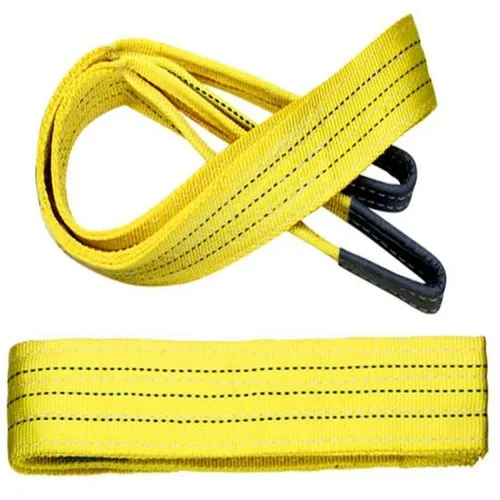
Lifting & Material Handling
Flexible textile sling for handling applications where contact and load arrangement must be considered.

Lifting & Material Handling
Sheave and pulley formats for guiding wire rope through lifting and movement systems.
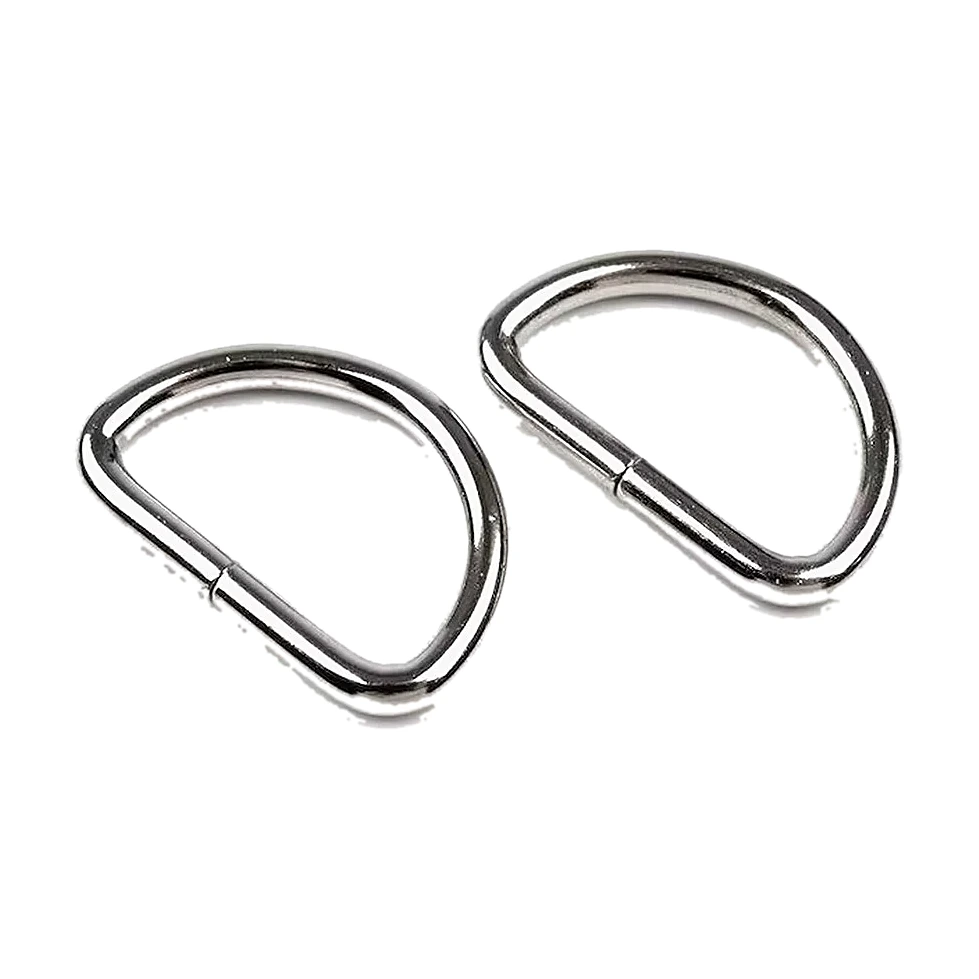
Lifting & Material Handling
D-shaped connection ring for attachment, lashing and fabricated assembly enquiries.
Request a quote
Share your application and technical details. Your enquiry will be emailed to our team for review.