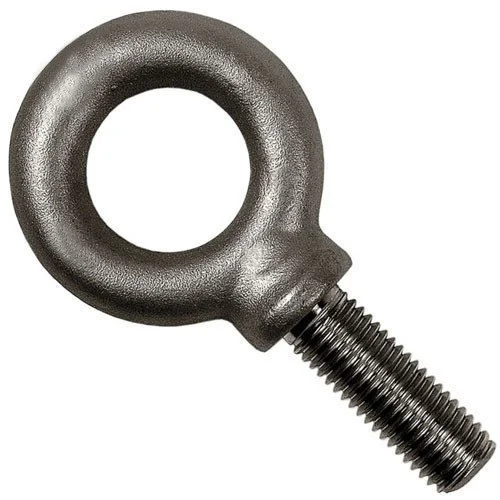
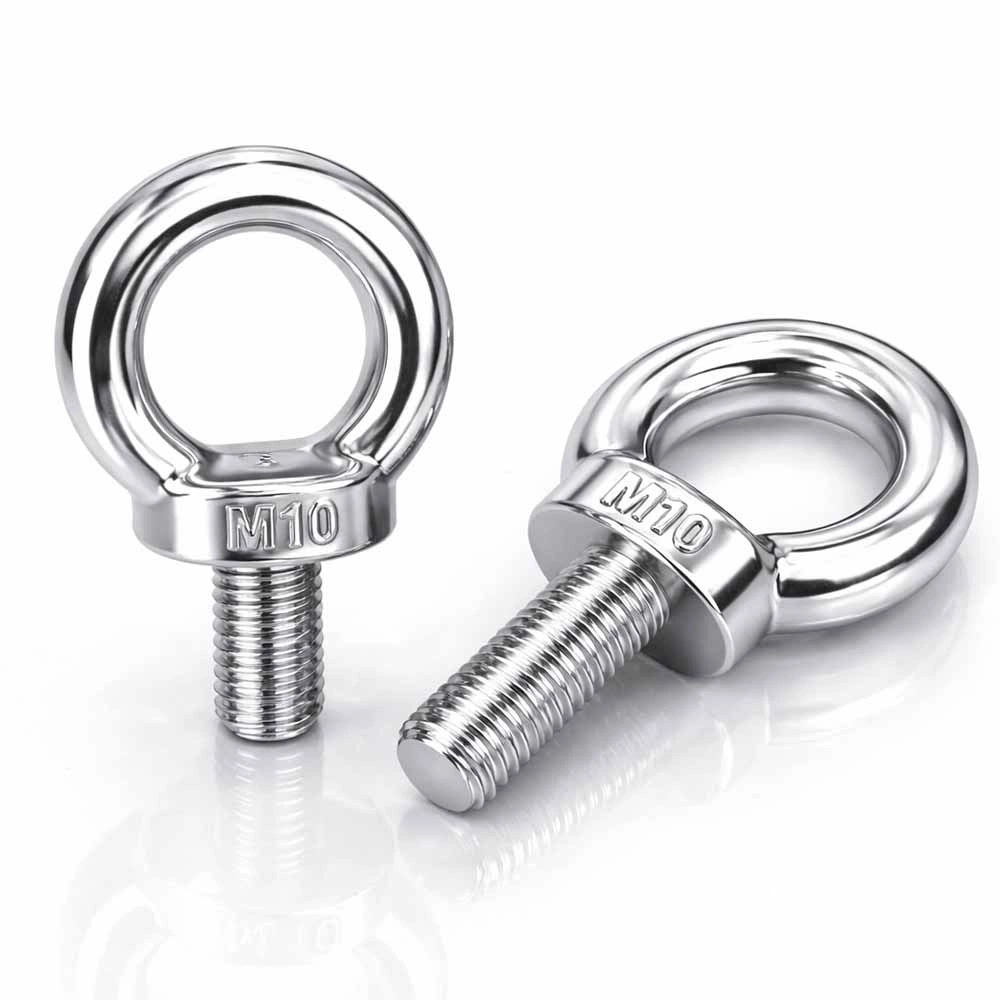
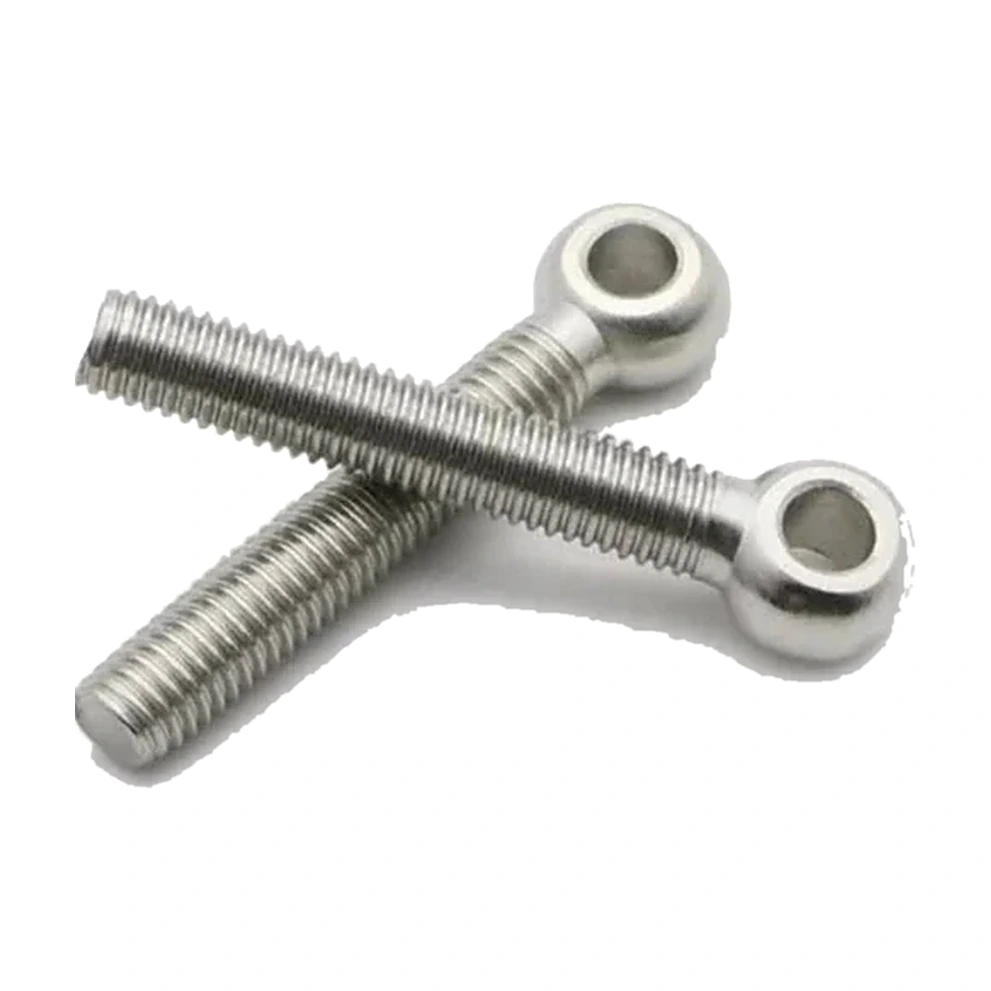
A pipe fitting is a component used to join pipe sections and to change the direction, size or branching of a pipeline. Common types include elbows, tees, reducers, couplings, unions, nipples, caps and plugs, each connected by thread, socket weld or butt weld.
Also known asPipe connectors · Elbows, tees and reducers · Threaded and socket-weld fittings
Key takeaways
Each fitting type does one job: turn, branch, reduce, join or close.
End connection must match the pipe and system design.
Size, schedule or class and material define the fitting.
A complete fitting schedule speeds up quotation.
How Pipe Fittings Work in Practice
Pipe fittings shape a piping system. Elbows change direction, tees create branches, reducers change size, couplings and unions join lengths, and caps or plugs close ends. Selecting the right type, end connection and rating keeps the line leak-tight and maintainable.
The fastest way to a reliable quotation is a fitting schedule: list each fitting type, size, end connection, class or schedule, material and quantity, and reference the piping specification that governs the project.
Common Pipe Fitting Types
01
Elbows & bends
Change the direction of flow, commonly at 90° or 45°.
02
Tees & crosses
Create equal or reducing branch connections.
03
Reducers & bushings
Change pipe size, concentric or eccentric.
04
Couplings, unions, caps & plugs
Join, allow disassembly or close the line end.
How to Choose the Right Pipe Fittings
01
End Connection
Threaded, socket-weld and butt-weld ends suit different sizes, pressures and installation methods.
02
Pressure Rating
Fittings must match or exceed the line rating; state class or schedule for each item.
03
Material Match
Fitting material should match the pipe and the fluid to avoid corrosion and weld issues.
04
Governing Standard
Reference the dimensional standard so fittings fit the existing pipework.
Pipe Fittings Specifications
Use this framework to prepare a complete enquiry. Values are confirmed against your drawing, application and required quantity.
Pipe Fittings specification framework
Parameter
Requirement basis
Fitting type
Elbow, tee, reducer, coupling, union, cap, etc.
Nominal size
Per fitting schedule
End connection
Threaded, socket weld or butt weld
Class / schedule
State pressure class or wall schedule
Thread form
For threaded ends, e.g. NPT or BSP
Material
As per piping specification
Standard reference
State the dimensional standard used
Finish & marking
As required
What to include in your enquiry
Fitting schedule with types and sizes
End connection and class/schedule
Material and standard reference
Quantities and delivery location
Where Pipe Fittings Are Used
Typical application areas. The intended task should always be disclosed so the product form and specification can be evaluated correctly.
01
Utility & service lines
Water, air and similar plant services
02
Process piping
Direction changes, branches and size transitions
03
Equipment hook-ups
Connecting pumps, valves and instruments
04
Maintenance & retrofits
Replacement fittings to existing standards
Have a specific application in mind? Share the load, environment and arrangement for a review.
Pipe Fittings FAQs
What are pipe fittings used for?
Pipe fittings join pipe sections and change the direction, size or branching of a pipeline. They also allow lines to be closed off or disassembled for maintenance.
What are the main types of pipe fittings?
The main types are elbows, tees, crosses, reducers, couplings, unions, nipples, bushings, caps and plugs. Each serves a specific routing or connection purpose.
What is the difference between threaded, socket-weld and butt-weld fittings?
Threaded fittings screw onto threaded pipe without welding. Socket-weld fittings accept the pipe into a socket and are fillet welded. Butt-weld fittings are welded end-to-end and are common on larger and higher-rated lines.
How do I choose the right pipe fitting material?
Match the fitting material to the pipe material and the process fluid, and follow the project piping specification for pressure and temperature.
What is the difference between a coupling and a union?
A coupling permanently joins two pipes, while a union includes a nut that allows the joint to be separated without cutting or rotating the pipe.
What should a pipe fittings enquiry include?
A fitting schedule listing type, size, end connection, class or schedule, material, standard and quantity for each item, along with the delivery location.
Pipe Fittings Reviews
No reviews yet
Have you sourced Pipe Fittings from Lohar Industrial Fasteners? Share your experience with the product and our service.

 LF — 07